Social trends play an important role in shaping how people think, behave, communicate, and live their daily lives. From technology adoption and changing work patterns to health awareness and environmental concerns, social trends influence many aspects of modern lifestyles.
The way people spend their time, make purchasing decisions, interact with others, and manage personal goals is constantly changing due to new social movements and cultural shifts.
Understanding social trends helps individuals, businesses, and communities recognize changes in society and adapt to new lifestyles. Modern living is not only influenced by personal choices but also by broader social developments that affect millions of people.
As society continues to evolve, social trends create new habits, expectations, and opportunities that define the way people experience everyday life.
Understanding Social Trends and Their Impact
Social trends are patterns of behavior, preferences, and attitudes that become common among groups of people over time. These trends often develop because of changes in technology, economy, culture, education, and communication.
Social trends influence lifestyle choices by changing how people work, shop, communicate, travel, learn, and maintain relationships.
For example, the growth of digital technology has transformed communication and introduced new ways of working and accessing information. Similarly, increasing awareness about health and sustainability has influenced choices related to food, fitness, and consumption.
Social trends do not affect everyone in the same way, but they often create noticeable changes in society.
The Role of Technology in Modern Lifestyle Changes
Technology is one of the biggest factors influencing modern lifestyles. The growth of smartphones, internet access, and digital platforms has changed how people interact with the world.
Communication has become faster and easier through online messaging, video calls, and social networks. People can connect with others across different locations and access information instantly.
Technology has also changed entertainment habits. Streaming services, online gaming, and digital content platforms have replaced many traditional forms of entertainment.
Smart devices and digital tools have become part of daily routines, helping people manage tasks, finances, health activities, and personal schedules.
The increasing use of technology has created a more connected lifestyle but has also encouraged discussions about digital balance and responsible technology use.
Changing Work Culture and Flexible Lifestyles
Work culture has experienced significant changes due to social and technological trends.
Remote work, hybrid work models, and digital collaboration tools have changed how many people approach their professional lives. Employees increasingly value flexibility, work-life balance, and personal well-being.
The traditional idea of working only from a fixed office location has evolved as technology allows people to work from different environments.
This shift has influenced lifestyle choices, including where people live, how they manage time, and how they balance professional and personal responsibilities.
Flexible work trends have also encouraged discussions about productivity, mental well-being, and workplace satisfaction.
Health and Wellness Trends Affecting Daily Habits
Health and wellness have become important parts of modern lifestyles. Increasing awareness about physical and mental health has encouraged people to focus more on healthy habits.
Many individuals are adopting fitness routines, balanced diets, mindfulness practices, and preventive healthcare approaches.
Social media and online communities have also contributed to spreading health-related information and encouraging wellness discussions.
People are becoming more interested in understanding their bodies, improving lifestyle habits, and maintaining long-term health.
However, individuals must also evaluate health information carefully because not all online advice is reliable.
Influence of Social Media on Lifestyle Choices
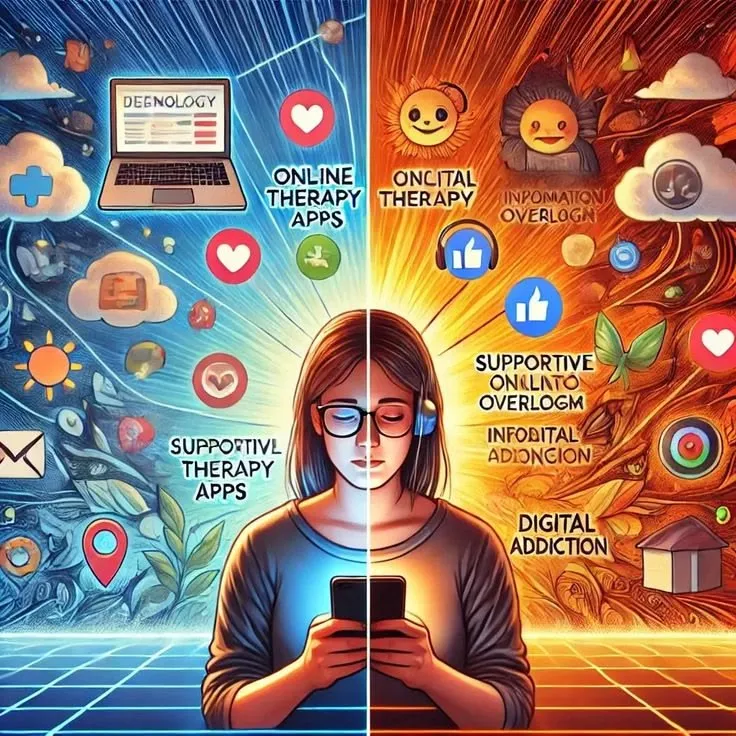
Social media has become a powerful force in shaping modern behavior and lifestyle decisions.
Platforms that allow people to share experiences, opinions, and ideas influence trends related to fashion, travel, food, entertainment, and personal development.
Social media helps people discover new products, learn about different cultures, and participate in online communities.
At the same time, social media can influence expectations about appearance, success, and lifestyle standards.
Maintaining a healthy relationship with social platforms is important to ensure they provide inspiration without creating unnecessary pressure.
Changing Consumer Behavior and Shopping Habits
Social trends have significantly changed the way people shop and make purchasing decisions.
Online shopping, digital payments, and personalized recommendations have transformed the buying experience.
Consumers today often research products, compare options, and read reviews before making decisions.
There is also growing interest in ethical consumption, sustainable products, and supporting businesses that align with personal values.
Modern consumers are not only focused on price but also consider quality, convenience, environmental impact, and brand reputation.
Businesses must understand these changing preferences to meet customer expectations.
Growth of Sustainable and Eco-Friendly Living
Environmental awareness has become an important social trend influencing lifestyle choices.
Many people are becoming more conscious about reducing waste, saving resources, and making environmentally responsible decisions.
Sustainable living practices include using reusable products, reducing unnecessary consumption, conserving energy, and supporting eco-friendly options.
This trend has influenced industries such as fashion, food, transportation, and home design.
The growing focus on sustainability shows how social awareness can create changes in everyday behavior.
Changing Food and Lifestyle Preferences
Food habits have also changed due to social trends and increased awareness.
Many people are exploring healthier eating patterns, plant-based options, traditional foods, and personalized nutrition choices.
Food trends often spread through digital platforms where people share recipes, reviews, and experiences.
Convenience has also become an important factor, leading to growth in food delivery services and ready-to-use meal options.
Modern food choices reflect a combination of health awareness, convenience, culture, and personal preferences.
The Impact of Education and Skill Development Trends
Modern society increasingly values continuous learning and skill development.
Technology has made education more accessible through online courses, digital learning platforms, and virtual training programs.
People are focusing on developing new skills to adapt to changing career opportunities.
This trend has influenced lifestyles by encouraging lifelong learning and personal growth.
Individuals are no longer limited to traditional education methods and can explore learning opportunities according to their interests and goals.
Changing Relationships and Communication Patterns
Social trends have also influenced how people build and maintain relationships.
Digital communication has created new ways of connecting with family, friends, and communities.
Online communities allow people to find others with similar interests and experiences.
However, changes in communication patterns have also created discussions about maintaining meaningful personal connections in a digital world.
Balancing online and offline relationships has become an important part of modern living.
Influence of Travel and Experience-Based Living
Modern lifestyles increasingly focus on experiences rather than only material possessions.
Travel, personal experiences, and cultural exploration have become important priorities for many people.
Social media has increased interest in discovering new places and sharing travel experiences.
People are looking for meaningful experiences that contribute to personal growth and memories.
This shift has influenced industries related to tourism, hospitality, and entertainment.
Challenges Created by Changing Social Trends
While social trends create many opportunities, they can also bring challenges.
Rapid changes can create pressure to constantly adapt and follow new patterns.
Technology dependence, information overload, changing social expectations, and lifestyle comparisons can affect personal well-being.
Individuals need to make thoughtful choices and adopt trends that genuinely improve their lives.
Not every popular trend is suitable for everyone, so personal values and needs should guide lifestyle decisions.
Frequently Asked Questions (FAQs)
How do social trends affect lifestyle?
Social trends influence daily habits, communication, work patterns, shopping behavior, health choices, and personal preferences.
Why is technology considered an important social trend?
Technology changes how people communicate, work, learn, and access information, making it a major influence on modern lifestyles.
Can social trends have negative effects?
Yes, some trends can create challenges such as stress, digital dependence, or unrealistic expectations if not managed properly.
Conclusion
Social trends have a powerful influence on modern living by shaping how people work, communicate, shop, learn, and maintain their health. Changes in technology, culture, and social awareness continue to create new lifestyle patterns.
Understanding these trends helps individuals make better decisions and adapt to changing environments. While social trends can provide new opportunities and improve convenience, it is important to adopt them thoughtfully.
Modern living is constantly evolving, and those who understand social changes can create a balanced lifestyle that combines innovation, personal values, and long-term well-being.