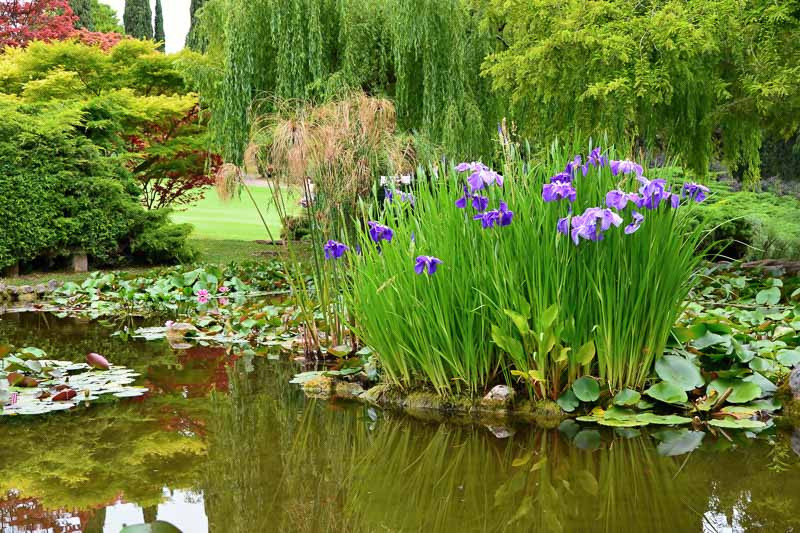
A garden pond looks more attractive when its edges blend naturally with the surrounding landscape. Marginal plants are an excellent choice for creating this effect because they grow in shallow water or along the pond’s edges. Their varied leaves, stems, and flowers add colour and texture while helping your pond look more natural. With the right selection, you can create a beautiful water feature that complements your garden throughout the growing season.
What Are Marginal Pond Plants?
Marginal pond plants are aquatic plants that grow in shallow water, usually with their roots submerged while their leaves and stems extend above the surface. They are commonly planted around pond edges, where they soften hard boundaries and create a natural transition between water and land.
These plants come in different shapes, heights, and colours. Some produce attractive flowers, while others provide lush green foliage. Choosing a mixture of varieties can give your pond a more established appearance and add interest to different areas of the garden.
Popular Choices for Pond Edges
When selecting Marginal Pond Plants, consider varieties that suit your pond’s depth, available space, and overall design.
Flowering marginal plants can introduce seasonal colour and attract beneficial insects. Taller varieties can create a striking background, while shorter plants work well along the front edge of a pond. Grasses and rushes add texture and movement, especially when their leaves sway gently in the breeze.
It is important to check each plant’s mature height and spreading habit before planting. Some varieties grow vigorously and may need regular trimming to prevent them from taking over the pond’s edges.
Benefits of Marginal Pond Plants
Marginal plants offer more than decorative value. Their roots can absorb nutrients from the surrounding water and growing medium, contributing to a balanced pond environment. Their stems and leaves also provide shelter for insects and other small creatures.
These plants can help a pond blend into its surroundings by covering exposed pond liners and softening artificial edges. When combined with water lilies and submerged plants, they contribute to a varied habitat that supports aquatic wildlife.
However, marginal plants should not be expected to maintain water quality on their own. Good filtration, appropriate stocking levels, and regular pond care remain important.
How to Plant Marginal Pond Plants
Most marginal plants grow well in planting baskets positioned on shallow shelves around the pond. Choose a suitable aquatic planting medium and follow the recommended water depth for each variety.
Arrange plants according to their height and growth pattern. Taller varieties usually look best towards the back or corners, while smaller plants can fill gaps along the edges. Leave enough room for growth and avoid overcrowding the planting area.
For more inspiration, explore the available Marginal Pond Plants and compare varieties that suit your garden pond.
Maintaining Your Marginal Plants
Regular maintenance helps marginal plants remain attractive and healthy. Remove dead leaves, trim excessive growth, and check that plants remain at their recommended water depth. Some varieties may also need dividing when they become too large for their containers.
Seasonal care depends on the plant species, so follow the appropriate growing guidance for each variety.
Conclusion
Marginal pond plants are a valuable addition to any garden pond. They add natural colour, soften pond edges, and create useful habitats for wildlife. By choosing suitable varieties and providing the right growing conditions, you can create a balanced, natural-looking pond that enhances your outdoor space throughout the year.