Airports are complex transportation systems designed to help millions of travelers move safely and efficiently around the world. For many passengers, an airport may seem like a large building where flights arrive and depart, but behind the scenes, airports involve advanced technology, security systems, passenger services, and carefully planned operations.
Understanding how airports work can make air travel easier and less stressful, especially for first-time travelers. From check-in and security screening to boarding and baggage handling, every step at an airport follows a structured process to ensure smooth passenger movement.
Modern airports are not only places for flights. They are complete travel hubs that provide shopping, dining, transportation services, information assistance, and facilities designed to improve the overall passenger experience.
Understanding the Basic Role of Airports
An airport is a facility where aircraft take off, land, and receive necessary services. Airports connect cities, countries, and continents by providing infrastructure for passenger and cargo transportation.
The main purpose of an airport is to manage the movement of aircraft and passengers safely. This requires coordination between airlines, airport authorities, security teams, ground staff, air traffic controllers, and service providers.
Every airport has different areas designed for specific functions. These include runways, terminals, check-in areas, security zones, boarding gates, baggage handling systems, and aircraft service areas.
Together, these systems allow thousands of travelers to complete their journeys efficiently.
How the Airport Journey Begins
For passengers, the airport experience usually begins when they arrive at the terminal. The terminal is the main building where travelers complete important travel procedures before boarding their flights.
Passengers first check flight information through digital displays or airport applications. These systems provide details about departure times, boarding gates, delays, and other important updates.
Airports are designed to guide travelers through different stages of the journey with signs, information desks, and staff assistance.
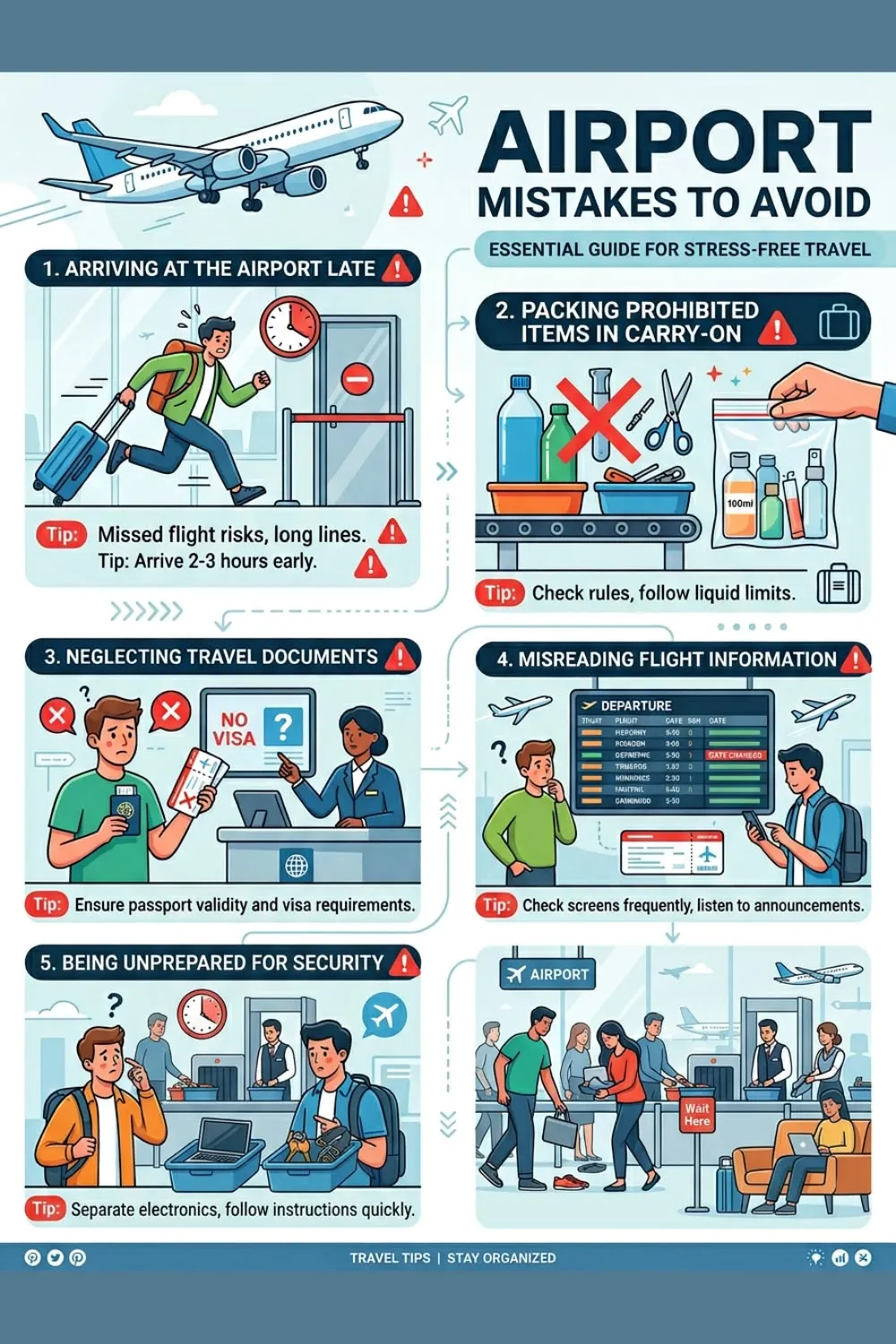
Proper planning before reaching the airport, such as checking flight details and arriving on time, helps travelers avoid unnecessary stress.
The Check-In Process
Check-in is one of the first important steps in air travel. During check-in, passengers confirm their flight details, receive boarding passes, and complete baggage procedures if they are carrying checked luggage.
Many airlines now provide online check-in options, allowing passengers to complete some steps before arriving at the airport. This saves time and reduces waiting at airport counters.
At check-in counters, airline staff verify travel documents, confirm passenger details, and handle baggage requirements.
After successful check-in, passengers move toward security screening and the departure area.
How Airport Security Works
Airport security is one of the most important parts of air travel. Security procedures are designed to protect passengers, airline employees, and aircraft.
Security screening includes checking passengers, carry-on bags, and personal belongings. Advanced technology and trained security personnel help identify prohibited items and maintain safety standards.
Passengers are required to follow security rules regarding documents, baggage limits, and restricted items.
Although security checks may take time, they are necessary for maintaining safe air transportation.
Following airport instructions and preparing properly can make the security process faster and more convenient.
The Role of Airport Terminals
Airport terminals are the main areas where passengers wait before flights. They include check-in counters, security checkpoints, waiting areas, boarding gates, restaurants, shops, and passenger facilities.
Large airports often have multiple terminals that serve different airlines or destinations.
Inside terminals, passengers can find information screens that provide real-time flight updates. Airport staff help travelers with directions, special assistance, and travel-related questions.
Modern terminals are designed to improve comfort by providing seating areas, charging stations, internet access, and other passenger services.
How Baggage Handling Works
Baggage handling is a complex system that ensures passenger luggage reaches the correct aircraft and destination.
After passengers check in their luggage, bags are labeled and moved through automated systems or airport staff operations.
Baggage systems use tracking technology to identify luggage and direct it toward the correct flight.
After landing, baggage is transferred to arrival areas where passengers collect their belongings.
Efficient baggage management is essential because airports handle thousands of bags every day.
Understanding Boarding and Departure Procedures
After completing check-in and security procedures, passengers move to their assigned boarding gates.
The boarding gate is the area where passengers enter the aircraft. Airport staff verify boarding passes and organize passengers according to airline procedures.
Boarding usually happens in groups to ensure smooth movement and reduce confusion.
Once passengers board, the aircraft prepares for departure. Ground teams perform important checks, load necessary supplies, and ensure the aircraft is ready for flight.
How Air Traffic Control Supports Airports
Air traffic control plays a critical role in airport operations.
Air traffic controllers manage aircraft movement in the air and on the ground. They guide pilots during takeoff, landing, and taxiing procedures.
Their work helps prevent conflicts between aircraft and ensures safe movement around busy airports.
Air traffic control requires advanced communication systems, skilled professionals, and continuous monitoring.
Without air traffic control, managing modern air travel would be extremely difficult.
Airport Ground Operations
Ground operations include all activities that support aircraft while they are on the ground.
These activities include aircraft cleaning, fueling, maintenance support, baggage loading, passenger boarding assistance, and safety checks.
Ground staff work under strict schedules because even small delays can affect flight operations.
Their coordination ensures that aircraft can depart and arrive efficiently.
How Technology Improves Airport Experiences
Technology has transformed modern airports and made travel more convenient.
Digital check-in systems, automated baggage tracking, electronic boarding passes, and self-service kiosks reduce waiting times and improve efficiency.
Many airports use advanced systems for security, navigation, passenger information, and operational management.
Technology also helps airports handle increasing passenger numbers while maintaining safety and service quality.
Future airport developments continue to focus on automation, artificial intelligence, and improved passenger experiences.
Services That Make Airports More Comfortable
Modern airports provide many services beyond flight operations.
Travelers can access restaurants, shopping areas, lounges, currency exchange services, transportation facilities, and assistance centers.
Airports also provide special facilities for families, elderly passengers, and people requiring additional support.
These services help improve passenger comfort and make waiting periods more enjoyable.
Tips for Travelers to Navigate Airports Easily
Understanding airport procedures helps travelers have a smoother experience.
Passengers should arrive early, keep important documents accessible, follow baggage rules, and regularly check flight updates.
Wearing comfortable clothing, organizing luggage properly, and understanding airport signs can also make travel easier.
First-time travelers can reduce anxiety by learning the basic airport process before their journey.
Preparation allows passengers to focus more on enjoying their travel experience.
Challenges Faced by Modern Airports
Airports handle millions of passengers every year, creating several challenges.
Managing large crowds, maintaining security, reducing delays, and improving environmental sustainability are ongoing priorities.
Weather conditions, technical issues, and operational problems can affect airport performance.
Airport authorities continuously work on improving systems and adopting new technologies to provide better services.
Frequently Asked Questions (FAQs)
Why are airports important for travelers?
Airports connect people and places by providing safe and organized systems for air transportation.
How early should travelers arrive at an airport?
Arrival time depends on the flight type and airport requirements, but reaching early helps complete check-in and security procedures comfortably.
What are the main areas inside an airport?
Major airport areas include terminals, check-in counters, security zones, boarding gates, baggage areas, and aircraft operation zones.
Conclusion
Airports are complex systems that make modern air travel possible by combining technology, security, and coordinated operations. Every process, from check-in and baggage handling to boarding and aircraft management, plays an important role in creating a smooth travel experience.
Understanding how airports work helps travelers feel more confident and prepared. With proper planning and awareness of airport procedures, passengers can enjoy a safer, easier, and more comfortable journey.
As technology continues to improve, airports will keep evolving to provide faster services, better facilities, and more convenient travel experiences for people around the world.