Choosing the right travel destination is one of the most exciting parts of planning a trip. A destination determines the type of experience travelers will have, from exploring new cultures and relaxing in nature to enjoying adventure activities or discovering historical places.
Modern travelers have many options available, making destination selection more challenging than ever. Factors such as budget, weather, safety, interests, travel time, and personal preferences all influence the final decision.
Smart travel planning helps people choose destinations that match their expectations and create memorable experiences. Instead of selecting a place only because it is popular, experienced travelers consider different factors to ensure their journey is comfortable, enjoyable, and meaningful.
Understanding how travelers choose destinations can help anyone plan better trips and make more informed travel decisions.
Understanding Personal Travel Goals
The first step in choosing a destination is understanding the purpose of the trip. Every traveler has different goals, and the ideal destination depends on what they want to experience.
Some travelers look for relaxation and peaceful surroundings, while others prefer adventure, cultural exploration, or entertainment. Families may prioritize safe locations with activities suitable for different age groups, while solo travelers may focus on independence and unique experiences.
Before selecting a destination, travelers should ask themselves what type of experience they want. Knowing the purpose of the journey makes it easier to narrow down choices and avoid selecting a location that does not match expectations.
A destination should support the traveler’s goals rather than simply follow popular trends.
Considering Travel Budget and Expenses
Budget is one of the most important factors when choosing a travel destination. The cost of transportation, accommodation, food, activities, and local travel can vary significantly between destinations.
Smart travelers estimate their total expenses before finalizing a location. A destination that appears affordable may become expensive due to high accommodation costs or transportation challenges.
Budget planning allows travelers to compare different destinations and select options that provide better value.
Travelers can also consider factors such as seasonal discounts, affordable accommodations, local transportation options, and free attractions to manage expenses effectively.
A well-planned budget helps prevent financial stress and allows travelers to enjoy their trip comfortably.
Checking Weather and Best Travel Seasons
Weather conditions strongly influence travel experiences. Different destinations offer different experiences depending on the season.
Some places are best visited during cooler months, while others are more enjoyable during warmer seasons. Travelers should research the climate, rainfall patterns, and seasonal conditions before planning their journey.
Choosing the right travel season can improve comfort and allow visitors to enjoy outdoor activities, sightseeing, and local experiences.
Traveling during peak seasons may provide better weather but can also mean larger crowds and higher prices. Off-season travel may offer lower costs and a quieter experience.
Understanding seasonal conditions helps travelers select the best time to visit their chosen destination.
Evaluating Safety and Travel Convenience
Safety is a major consideration when choosing a destination. Travelers often research local conditions, transportation systems, healthcare availability, and general safety information before making decisions.
A destination with reliable infrastructure and traveler-friendly facilities can make the journey smoother.
Convenience also plays an important role. Travelers consider factors such as flight availability, travel distance, visa requirements, and accessibility.
A beautiful destination may not always be the best choice if reaching it requires complicated arrangements or excessive travel time.
Smart travelers balance excitement with practical considerations to create a comfortable travel experience.
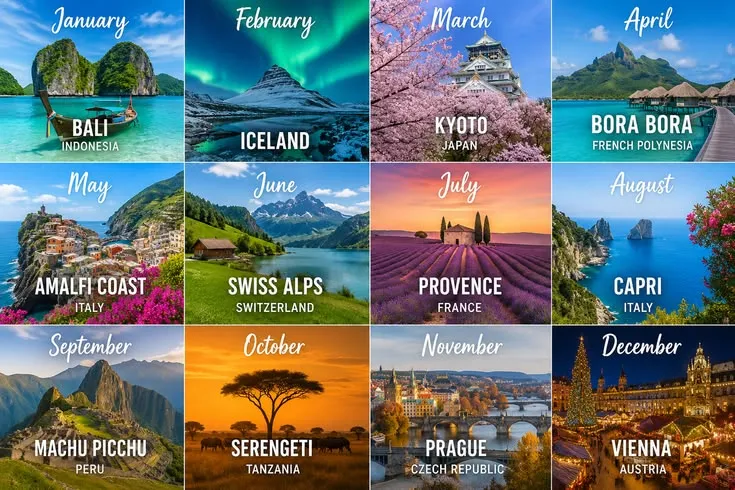
Choosing Destinations Based on Interests
Personal interests strongly influence destination choices. Different locations offer different types of experiences.
Nature lovers may prefer destinations known for mountains, beaches, forests, or wildlife. History enthusiasts may choose places with museums, monuments, and cultural landmarks.
Adventure seekers often look for destinations offering activities such as hiking, water sports, or exploration opportunities.
Food lovers may select locations famous for local cuisine and culinary experiences.
Choosing a destination based on personal interests creates a more satisfying journey because travelers can spend their time doing activities they genuinely enjoy.
Researching Local Culture and Experiences
Travel is not only about visiting places; it is also about experiencing different cultures and lifestyles.
Many travelers research local traditions, festivals, food, customs, and unique experiences before choosing a destination.
Understanding local culture helps visitors connect more deeply with the place they are exploring.
Cultural experiences often create some of the most memorable travel moments, from trying traditional dishes to participating in local activities.
Travelers who value meaningful experiences often choose destinations that offer opportunities to learn and interact with local communities.
Reading Reviews and Travel Recommendations
Online reviews and recommendations have changed the way people select destinations. Travelers often look at experiences shared by other visitors before making decisions.
Reviews can provide useful information about accommodations, attractions, transportation, and local services.
However, travelers should consider multiple opinions instead of relying on a single review. Personal preferences differ, so a destination that works well for one person may not be ideal for another.
Combining reviews with personal research helps travelers make balanced decisions.
Considering Travel Companions
The people traveling together can influence destination choices. A destination suitable for a solo traveler may not be the best option for families or groups.
Families often look for safe locations with convenient facilities and activities for children. Couples may prefer romantic or peaceful destinations, while groups may search for places offering entertainment and shared experiences.
Understanding the needs of travel companions helps create a trip that everyone can enjoy.
Good destination planning considers the interests and comfort of all travelers involved.
Using Technology for Better Destination Planning
Technology has made travel planning easier and more efficient. Travelers can use digital tools to research destinations, compare costs, check weather conditions, and organize itineraries.
Travel applications help people discover attractions, transportation options, and accommodation choices.
Digital maps and online resources allow travelers to understand locations before arriving.
Technology also helps travelers stay updated with important information during their journey.
Using technology wisely allows travelers to make better decisions and reduce planning challenges.
Balancing Popular Destinations and Hidden Locations
Popular destinations attract travelers because they offer famous attractions and well-developed facilities. However, crowded locations may not always provide the experience some travelers want.
Many modern travelers are exploring lesser-known destinations that offer unique experiences and fewer crowds.
Hidden locations can provide opportunities to discover local culture, natural beauty, and peaceful environments.
The best choice depends on personal preferences. Some travelers enjoy famous landmarks, while others prefer exploring places away from traditional tourist routes.
Creating a Flexible Travel Plan
A good travel plan should include preparation but also allow flexibility.
Unexpected situations such as weather changes, transportation delays, or new discoveries can influence travel experiences.
Flexible planning allows travelers to adjust their schedules and enjoy unexpected opportunities.
A balanced itinerary includes important activities while leaving enough time for relaxation and exploration.
Smart travelers understand that the best travel experiences often come from a combination of planning and spontaneity.
Common Mistakes Travelers Should Avoid
One common mistake is choosing destinations only because they are trending. Popular places may not always match personal interests or budgets.
Another mistake is ignoring important factors such as weather, travel costs, and local conditions.
Some travelers create overly packed itineraries that leave little time for relaxation.
Researching properly and considering personal needs can help avoid these problems.
Good destination selection requires thoughtful planning rather than quick decisions.
Frequently Asked Questions (FAQs)
What factors should travelers consider before choosing a destination?
Travelers should consider budget, weather, safety, interests, travel time, and available experiences before selecting a destination.
Is the most popular destination always the best choice?
No, the best destination depends on personal preferences, travel goals, and budget rather than popularity alone.
How can travelers find the right destination?
Travelers can research locations, compare options, read reviews, and consider their personal interests to find a suitable destination.
Conclusion
Choosing the right travel destination is an important part of creating a successful trip. Smart travelers consider multiple factors, including budget, weather, safety, interests, and travel convenience before making decisions.
A well-chosen destination can create unforgettable experiences and make travel more enjoyable. With proper research and thoughtful planning, anyone can select a location that matches their expectations and lifestyle.
Travel planning is not only about finding a beautiful place; it is about choosing an experience that creates lasting memories and meaningful connections.