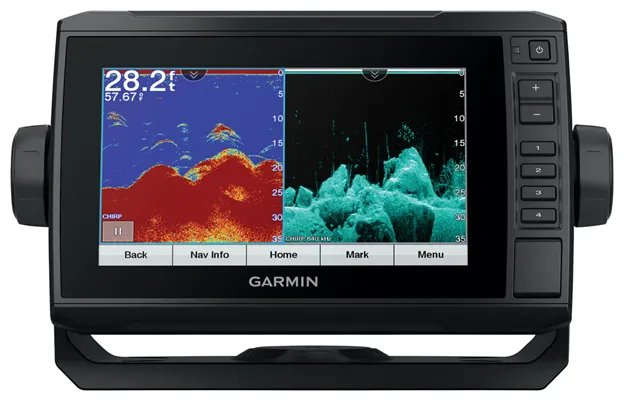
Being aware of the shoreline is not all that is involved in modern boating. A reliable navigation system can assist a boater in knowing his location, plotting a course, being aware of the surroundings, and adjusting to various conditions. When selecting a boat navigation systems, it’s important to consider functionality more than just cutting the latest and gimmickiest-looking piece of technology. Navigation equipment can be of little assistance during normal cruising at sea if it is not visible, has no chart information, is not connected to the vessel, is not accurate, or is difficult to operate.
Start With Navigation Needs
Take into account usage and location of the boat prior to comparing equipment. A recreational boater taking an extended trip on an unfamiliar waterway may have different needs than a boater making a short excursion on a familiar waterway.
Consider the length of the boat, usual range, water state and how much navigation information you will use. Knowing these needs helps to minimize unnecessary features, but provide important features.
Who will be using the equipment should also be taken into account. Controls should be easily understood and easily accessible, but not cause unnecessary distractions when underway.
Prioritize Clear Screen Visibility
A navigation display ought to be legible in the circumstances in which it will be used. Glare from bright sunlight and varying weather conditions and viewing angle may impact visibility.
When it comes to small screens, clarity and brightness are other factors. The large display may not be as useful as the smaller display that presents the information clearly.
Don’t forget about the place where the unit will be installed, too. The display should be in the line of sight of the operator, but not diverting their attention away from surrounding water.
Evaluate Chart and Mapping Features
Charts contain valuable information regarding waterways, coastlines, depths and other navigational information. When considering marine GPS navigation devices, look into the mapping feature and whether the maps are suitable for the areas you normally sail.
Not all systems will provide the same details on chart coverage, so it is important to know what you are getting before buying one. Changes also may be important if you visit a lot in the areas of changing waters or places you are not familiar with.
Another handy function is route planning. It can be helpful to make routes, save, or modify routes before setting sail with the preparation of a longer journey.
Look at Accuracy and Positioning
Positioning is a critical aspect of modern marine navigation. A good GPS receiver can be useful in determining the boat’s position and can give some valuable information for route planning.
But accuracy should also be taken into account and not just as the sole purchase criterion. The value of any navigation system is to the navigator in how much detail the system provides and how easily he/she interprets that information.
If the device is used regularly, it might be more useful for the user to have something that is simple to use and will perform consistently, rather than having a lot of features that are rarely used.
Consider Connectivity and Integration
Modern navigation equipment can be plugged into other equipment or into internal systems on the vessel. Connectivity enables different sources of information to collaborate more effectively depending on the setup.
Look at the connections and communications that a system can accommodate before selecting it. Compatibility is important, as otherwise it can be more difficult to add new equipment later if there is incompatibility.
Wireless also offers some convenience in some cases, but shouldn’t be considered in lieu of careful planning of key navigation functions.
Think About Installation and Maintenance
Installation is a critical component of the selection of navigation equipment. When deciding which scooter to buy, one must take into consideration the amount of mounting space, required power, wiring and viewing angle.
Properly fitted equipment is more user-friendly and easier to maintain. Please read the installation instructions carefully and do not assume that all of the components will work in an existing installation; follow the manufacturer’s instructions.
Regular upkeep is also important. Long-term efficient operation can be maintained by keeping displays clean, checking connections and following the recommended procedures for updating.
Conclusion
The ideal navigation configuration is one that gives you the information you need but doesn’t make operation overly complex. When evaluating navigation systems for boating, consider the features that are similar to your usual routes, boat size, environment, and experience.
Carefully analyzing screen visibility, charts, positioning, connectivity, installation and usability will make picking the right model a lot easier. Boaters looking for gear for various outdoor activities can also shop at USAHunterShop.com and look at products suitable to their needs.